
REIRAKU
STATUS
COMPLETE
VOLUMES
1
RELEASE
July 28, 2017
CHAPTERS
8
DESCRIPTION
Selling copies is the only thing that matters.
So what if your first series just ended and you have no idea how to start the next one, your marriage is breaking up, your pure love of manga has been destroyed by the cruel reality of the industry and nothing seems to fill the sucking void inside you...
Find the secret combo for a new hit manga series and everything will be okay.
Right?
(Source: VIZ Media)
CAST
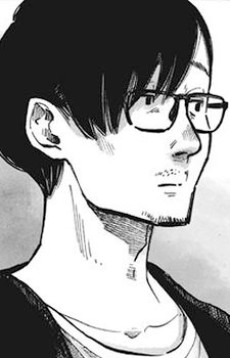
Kaoru Fukuzawa
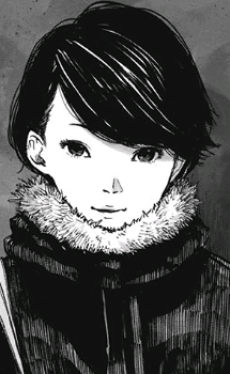
Chifuyu
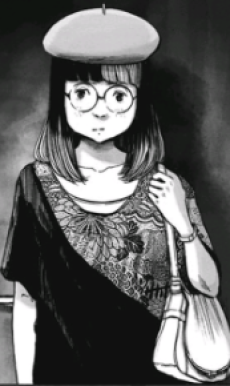
Nao Tomita
CHAPTERS
REVIEWS

NapoJ
Conciliando con la frustación (reseña en ESP y ENG)Continue on AniListLa siguiente reseña está en Español e Inglés (traducida con el apoyo de DeepL)
La versión leída es la licenciada al español por “Norma Editorial”
Oyasumi Punpun no me gustó, sí bien tiene aspectos que se quedaron conmigo (los cuáles explique en mi reseña si te interesa leerla), su desarrollo va empeorando en mi recuerdo, me cuesta entender su estatus casi mítico. Esta declaración gratuita tiene importancia, ya luego entenderás porqué.
En 2017 Asano estaba en medio de DDDD, desde Marzo a Julio publicaría esta obra de 8 capítulos, posteriormente recopilada en un único tomo. Y para quiénes hayan leído sus trabajos previos, inmediatamente reconocerán que aún en las diferencias que pueda haber de nombre, aparente temática de autorías u otros detalles específicos, nos encontramos ante una biografía, no explícitamente declarada como tal, sólo maquillada, típico de los escritores fingiendo lo evidente.
“Caída” es su traducción, perfectamente ajustada para el estado del protagonista. Es una exploración lastimera, autocompasiva, casi que victimista de un personaje construido sobre contradicciones. De un autor que profesa sobre la necesidad de la creación individual sin consideraciones externas pese a que lee habitualmente las opiniones de él en las redes sociales, en desconocer las bases históricas del manga y criticar con venenosos comentarios a la industria actual con sus contemporáneos éxitos mientras que nadie más que él está pensando en manga casi todo el día, y quien debe retratar relaciones humanas en sus historias pese a su dificultad en conectar con cualquier otro, a excepción de sólo una persona, alguien fuera de los compromisos, sin convicciones preconcebidas.

El mejor Asano se encuentra cuando le despojan de la morralla mal llevada, de esas metáforas y reflexiones rebuscadas en diálogos inconcebibles. Y aquí se encuentra ese Inio. No implica falta de inteligencia o creatividad en cómo se expresa, al contrario, sus comentarios de genuidad acerca de sí mismo y de los demás, los entendemos desde ese personaje quien atraviesa una crisis de identidad respecto a su motivación y percepción. No debemos considerar sus comentarios como verdaderos, son reflexiones subjetivas de alguien desesperado, y en ese desespero no se refugia en complicadas comparaciones, sino en conveniencias aparentemente justificadas.
Tampoco es que carezca de símbolos, el otro personaje central de la obra es representación de ese escape hacia la juventud, por ser alguien sin compromisos, con todos los caminos abiertos. Estar junto a ella no le recuerda a su pasión/trabajo, puede ser alguien más, o todavía mejor, ser una versión pasada de sí mismo. Dada a la cercanía física y de comportamiento, le recuerda a su exnovia al comienzo de los 20, es cómo si pudiese transportarse a ese momento, cuando parecía tener el mundo al frente.
No es abordada en profundidad, vemos su fachada y hasta en capas más finas pero sin vislumbrar completamente detrás de las mismas, ideal para la temática sobre las dificultades de conexión con la ironía de a quien se vuelve más cercano es aquella que constituye un misterio. Y de ahí se apoya en diferentes metáforas visuales, ubicación del panel, y sin necesidad de recalcar la temática con diálogo. Sobre todo me gusta uno que es cómo si imaginase un futuro, pero más bien corresponde a cómo sería su presente de haber tomado otras decisiones.

Y de todavía más interés es que pese a ser el otro personaje principal, estableciendo una especie de historia romántica lastimera, en realidad el eje temático se encuentra en sí mismo, en la relación con su trabajo/pasión/vicio. He sido crítico de forma constante con Asano durante sus múltiples obras, sin embargo, al revisar esta obra considero que sin duda, él mismo es su mayor crítico.
La conciliación entre pasión y frustración, de genuinidad y reconocimiento, en seguir su pasión pese a que pueda romper las relaciones con los demás, encima sin estar seguro de sí está haciendo lo correcto en su obra. Es un vaivén sin enseñanza ni elección porque no debe haberla, sólo hay formas de afrontarlo. Asano se auto etiqueta constantemente de egoísta y obsesionado, porque en su desinterés y desdén con los otros se encuentra alguien que está evaluando con la misma severidad todo lo que realiza, no se cree superior a los demás sino que teme ser el mediocre que tanto crítica.
Este asfixiante dilema es sumado a la imposición de siquiera rivalizar con aquel que fue su éxito. Ultimando un bloqueo de escritor que sólo el tiempo puede ayudarle a superar. Estos sentimientos no son dichos explícitamente en diálogo ni monólogos, son frases sueltas cuyo significado se desenreda conforme vemos la representación en los demás paneles, en la actitud detrás de su mirada ausente, agridulces memorias y esquivas sonrisas.

Su apartado artístico tiene esa maestría en la exclamación silenciosa de sentimientos, en el posicionamiento de personajes para metáforas visuales en el panel, el enfoque visual está en el realismo sea en el diseño de personajes (contrario a DDDD y sus anteriores One Shots) o escenario. Asano ha desarrollado una gran capacidad en hallar el ritmo preciso para sus historias, ni se apoya en los mismos ángulos o presentación, sino que según la intensidad del momento decide que debería priorizar.
Y en este convulso de sentimientos, expectativas y frustraciones tenemos una finalización perfecta, no por ser una lección sino por catártico; el quebramiento de la fachada sí es que acaso lo fue, o sí más bien consistía en el resultado de una impuesta indiferencia. Porque si bien a mi no me ha gustado Punpun, reconozco que me encuentro en la minoría, Asano en un momento inesperado se encontró a alguien que le dijo lo importante que para aquel fue su obra, cómo le ayudó a seguir adelante.
Por lo menos ese día y en ese momento, su trabajo tuvo significado.

English
I didn’t like Oyasumi Punpun. While it certainly has aspects that stuck with me (which I explained in my review if you’re interested), its development worsens in my memory; I struggle to understand its near-mythical status. This gratuitous statement matters—you’ll understand why later.
In 2017, Asano was in the middle of DDDD. From March to July he published this eight-chapter work, later compiled into a single volume. And for anyone familiar with his earlier works, it becomes immediately clear that—even with the differences in title, apparent themes, authorship notes, or other specific details—what we’re dealing with is a biography, not explicitly declared as such, merely disguised, the typical writer’s attempt to conceal the obvious.
“Fall” is the translation—an appropriately fitting one for the protagonist’s state. It’s a pitiful, self-pitying, borderline victimist exploration of a character built on contradictions. An author who preaches the need for individual creation without external considerations, yet routinely reads what people say about him on social media; who disregards the historical foundations of manga while launching venomous criticisms at the contemporary industry and its current successes, even though no one but him is thinking about manga almost all day long; and who must portray human relationships in his stories despite his difficulty connecting with anyone—except for a single person, someone free of obligations and preconceived convictions.

Asano is at his best when stripped of the poorly handled clutter—those convoluted metaphors and overwrought reflections wrapped in inconceivable dialogue. And that Inio is present here. This doesn’t mean there’s a lack of intelligence or creativity in his expression; on the contrary, his candid remarks about himself and others feel authentic, understood through this character undergoing an identity crisis regarding his motivation and perception. We shouldn’t take his comments as truth—they’re the subjective reflections of someone desperate, and in that desperation he doesn’t retreat into elaborate comparisons, but into seemingly justified conveniences.
Not that the work lacks symbols. The other central character represents an escape back into youth—someone unburdened, with all paths open. Being with her doesn’t remind him of his passion/work; he can be someone else, or better yet, an earlier version of himself. Because of her physical and behavioral similarities, she reminds him of his ex-girlfriend from his early twenties; it’s as if he could transport himself back to that moment, when the world seemed to lie ahead.
She isn’t explored in depth—we see her façade and even glimpses beneath its thinner layers, but never the true self. It’s fitting for a story about the difficulty of connection, with the irony that the person he becomes closest to is the one who remains a mystery. The narrative supports this through visual metaphors, panel placement, and without overemphasizing the theme in dialogue. I especially like one moment that feels like he’s imagining a future—but it’s really a vision of what his present might look like had he made different choices.

And even more interesting is that, despite being the other main character and seemingly forming a pitiful romantic arc, the thematic core is entirely about him—his relationship with his work/passion/vice. I’ve been consistently critical of Asano throughout many of his works; however, reading this work, I consider that without a doubt he himself is his harshest critic.
It’s the reconciliation between passion and frustration, genuineness and recognition, the commitment to pursuing one’s passion even at the expense of relationships—while not even being sure whether what he’s creating is right. It’s a back-and-forth with no lesson or choice, because there shouldn’t be one—there are only ways to confront it. Asano constantly labels himself as selfish and obsessive, because within his indifference and disdain toward others lies someone who evaluates everything he does with that same severity. He doesn’t believe he’s superior; he fears being the very mediocre figure he so often criticizes.
This suffocating dilemma is compounded by the pressure to compete with his own past success, culminating in writer’s block that only time can help him overcome. These emotions aren’t stated explicitly in dialogue or monologue—they appear in scattered lines whose meaning unfurls through the surrounding panels, through the attitude behind his vacant stare, bittersweet memories, and evasive smiles.

Artistically, the work displays a mastery in silently exclaiming emotions, in positioning characters for visual metaphors within the panel. The visual focus is realistic, whether in character design (unlike DDDD and his latest one-shots) or in the backgrounds. Asano has developed a strong sense of rhythm in his storytelling; he doesn’t rely on the same angles or presentations but chooses what to prioritize based on the intensity of the moment.
And amid this turmoil of emotions, expectations, and frustrations, we reach a perfect conclusion—not because it offers a lesson, but because it is cathartic: the breaking of a façade, if it ever truly existed, or perhaps simply the collapse of a cultivated indifference. Because even though I personally didn’t like Punpun—and I know I’m in the minority—Asano unexpectedly encountered someone who told him how important his work had been to them, how it helped them move forward.
At least on that day, in that moment, his work had meaning.

SIMILAR MANGAS YOU MAY LIKE
 MANGA DramaOyasumi Punpun
 MANGA DramaUmibe no Onnanoko
 MANGA ComedyOzanari-kun
 MANGA DramaSubarashii Sekai
 MANGA DramaHikari no Machi
 MANGA DramaSekishoku Elegy
 MANGA DramaTokyo Higoro


SCORE
- (3.55/5)
MORE INFO
Ended inJuly 28, 2017
Favorited by 256 Users