TONGARI BOUSHI NO ATELIER
STATUS
COMPLETE
EPISODES
13
RELEASE
June 22, 2026
LENGTH
24 min
DESCRIPTION
In a world where everyone takes wonders like magic spells and dragons for granted, Coco is a girl with a simple dream: she wants to be a witch. But everybody knows magicians are born, not made, and Coco was not born with a gift for magic. Resigned to her un-magical life, Coco is about to give up on her dream to become a witch … until the day she meets Qifrey, a mysterious, traveling magician. After secretly seeing Qifrey perform magic in a way she’s never seen before, Coco soon learns what everybody “knows” might not be the truth, and discovers that her magical dream may not be as far away as it may seem...
(Source: Kodansha USA)
Note: Tongari Boushi no Atelier episode 2 was streamed a week in advance on Crunchyroll, ABEMA, and Netflix, alongside episode 1. Streaming is one week ahead of the TV broadcast.
CAST
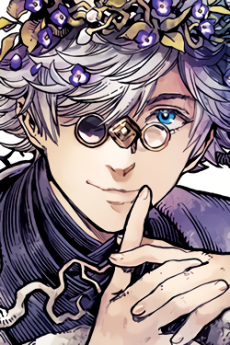
Qifrey
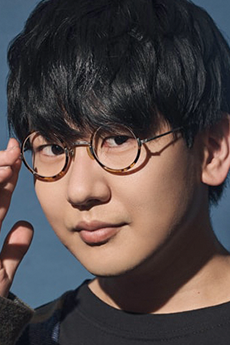
Natsuki Hanae
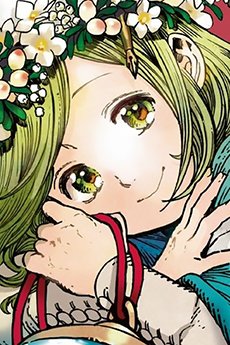
Coco
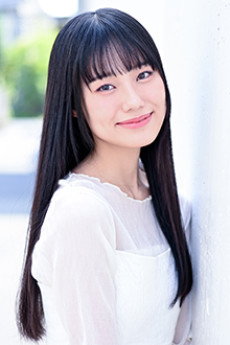
Rena Motomura
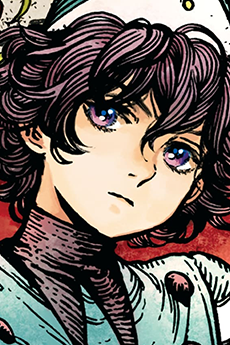
Agott Arkrome
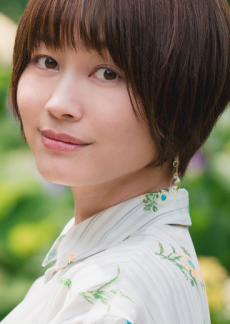
Hibiku Yamamura
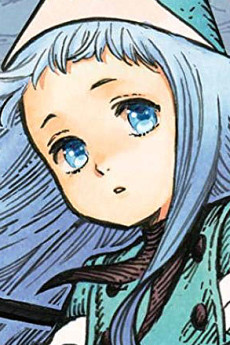
Richeh
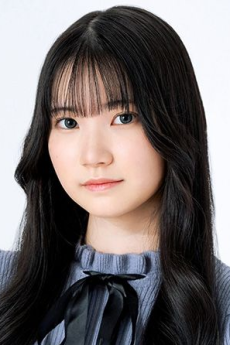
Hika Tsukishiro
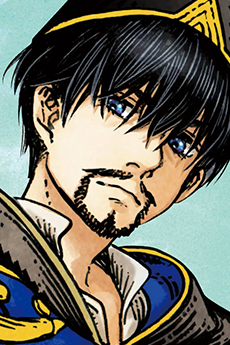
Olruggio
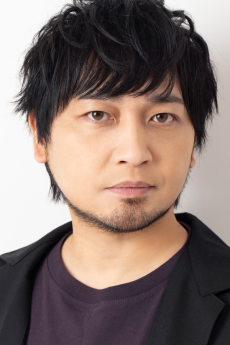
Yuuichi Nakamura
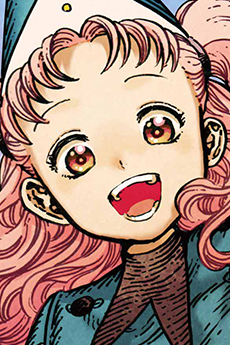
Tetia

Kurumi Haruki
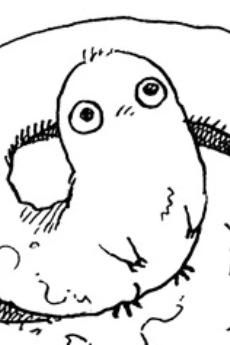
Fudemushi
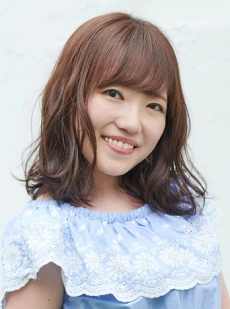
Misaki Kuno
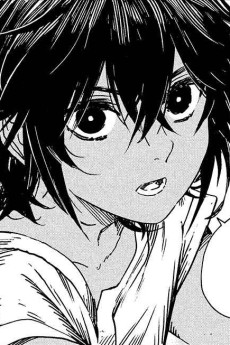
Custas
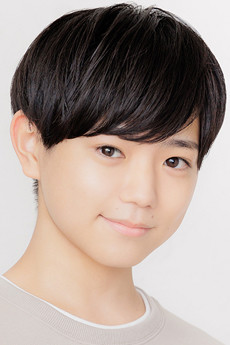
Toshiki Kumagai
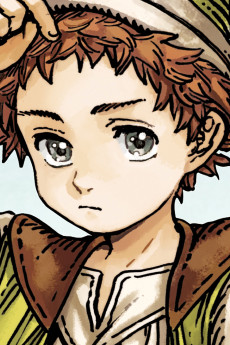
Tartah
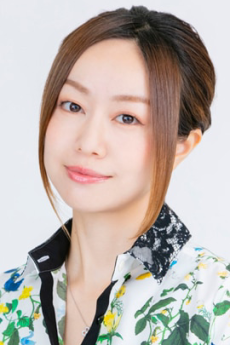
Mutsumi Tamura
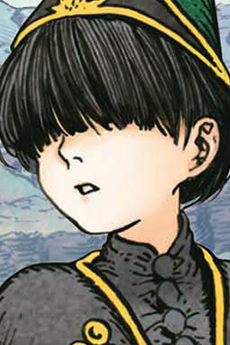
Euini
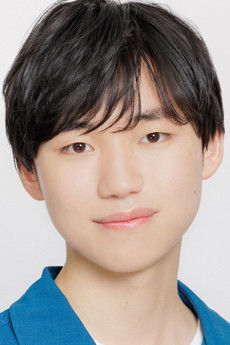
Hiiro Ishibashi
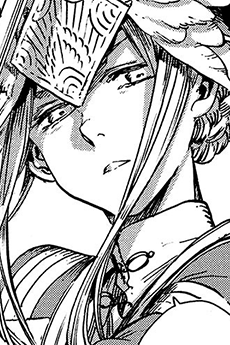
Luluci
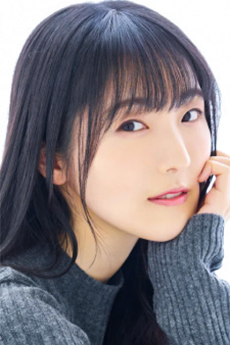
Yui Ishikawa
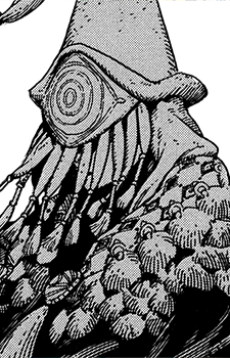
Iguin
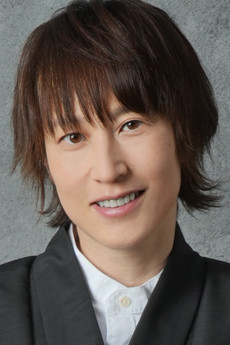
Mitsuki Saiga
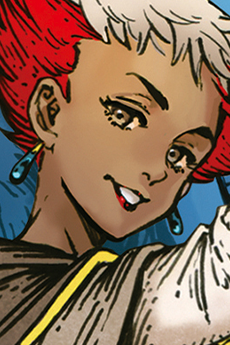
Alaira
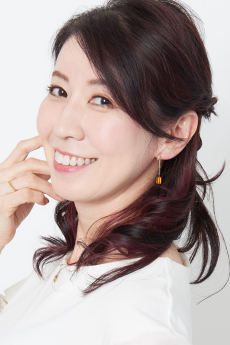
Kotono Mitsuishi
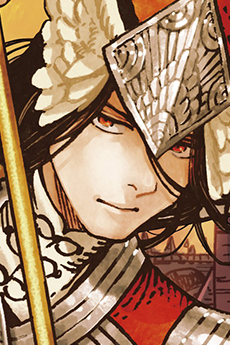
Easthies
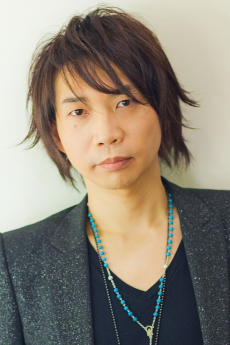
Junichi Suwabe
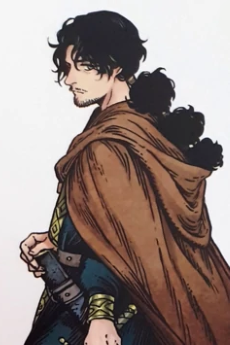
Dagda
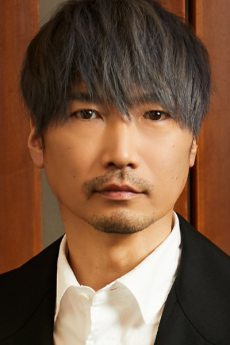
Katsuyuki Konishi

Riliphin

Mariya Ise
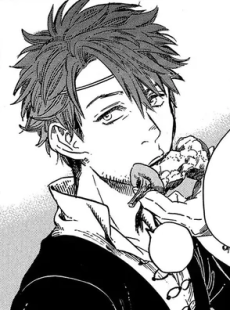
Utowin
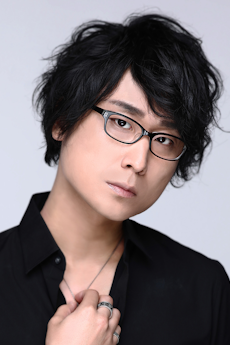
Jun Kasama
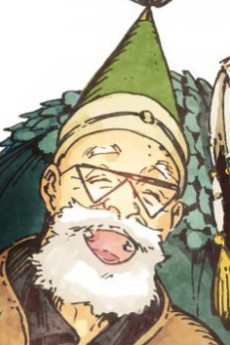
Nolnoa
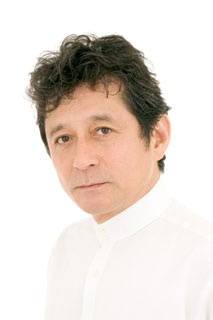
Yoshito Yasuhara

Galga
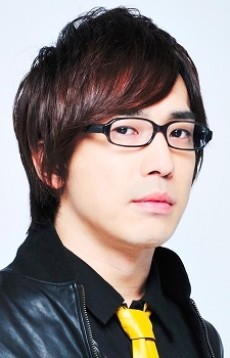
Hiroki Yasumoto

Sasaran

Ryuusei Nakao

Coco no Haha

Mayumi Saco

Kukrow
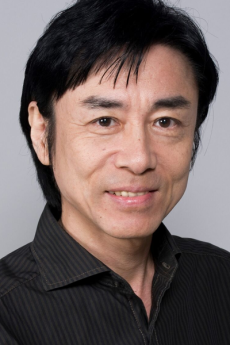
Hiroshi Yanaka

Richeh no Sensei

Youji Ueda

Dragon
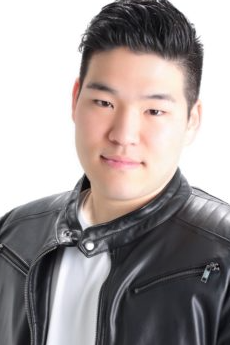
Seiyu Fujiwara

Thotrey
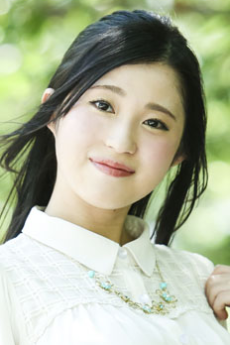
Akira Sekine
EPISODES
Dubbed
Not available on crunchyroll
RELATED TO TONGARI BOUSHI NO ATELIER
 MANGA AdventureTongari Boushi no Atelier
 MUSIC FantasyKaze no Anthem
REVIEWS

marioink508
The Greatest Fantasy Anime We’ll Ever Witness.Continue on AniList
This review contains MODERATE SPOILERS for Witch Hat Atelier.
《 I hate when people make decisions because 'that's just the way things are!'— 》
Like many others, I arrived at Witch Hat Atelier surrounded by the excitement of the adaptation, with no prior knowledge of the original work, and as someone who opted not to go for the manga during the simulcast. This is, deliberately, a review based on my experience with the series as an anime-only viewer. Everything that follows is built entirely on what the show itself put in front of me and nothing else—and what was presented, from the very first episode onward, was enough to completely immerse me into this world—an unhurried, quietly serene slice-of-life texture that I’ll keep returning to throughout this review.
Witch Hat Atelier announces itself with real conviction, not simply with the ambition to tell another fantasy story, but to create a world so carefully thought out that each and every idea it inspires to explore feels entirely authentic. A world written with genuine care, one that pulls you into the passion behind each frame, each background, and each lived-in household. Over the past few months I’ve grown to love this series exactly for its confident ability to communicate its message through its fantasy setting without ever losing sight of the actual world and the human truths underneath.

Episode 3 'The Dadah Range Test'
The Price of a Spell
When it comes to building a lasting fantasy world, the magic system is the load-bearing structure—get it wrong, or render it generic, and nothing else will maintain its shape over time. We’ve seen magic done in anime time and time again, and most often it tends to repeat the same handful of templates with cosmetic variations or, in rare cases, even inspired structural adjustments; it’s been a long time since a system truly produced the level of immersion that Witch Hat Atelier manages here, trying what others are afraid to do—reconsidering magic from its very core.
The most exciting part of that reinterpretation is the learning curve itself. Here magic comes across as schooling, the product of mentorship, repetition, and gradual improvement dependent on skill, environment, and effort rather than being reduced to internal development, or used as a supernatural shortcut. Having sat through enough power fantasies to grow numb to them, there’s something genuinely grounding about a system that respects how hard mastery actually is, rather than skipping straight to the payoff.
However, a portion of the emotional poignancy stems from how straightforward the mechanics are and how adaptable it can be for someone who is creative and driven enough to produce something of substance. It's simple enough for anyone to try, yet difficult enough to get right that the beauty ends up resting entirely on the creator's eye and their drive to keep creating. As an artist myself, Witch Hat Atelier’s system made me feel understood and helped me become more aware of others who struggle in this setting. It is easy to grow frustrated at the inaccuracies you face during your attempts, despite how simple it looks from the outside, yet the intense desire for improvement that comes from knowing the possibilities keeps you wanting more. Witch Hat Atelier recognizes this perspective and renders it without ever flattening it into simple encouragement.《 I couldn’t stand it if I had to stay the way I am now… living with all the things I’m still unable to do. – Agott Arkrome 》
The sigil framework underneath all of this rewards exactly the kind of attention it asks for. Working through the fundamentals—the sigils themselves, the form and movement keystones, and especially the ring enclosure mechanic—reveals a system built with real internal logic. Refining those crude ideas into something more ambitious only gets more rewarding the deeper into its complexity and layered procedures you go—but I could spend my entire day discussing these components. Witch Hat Atelier’s 1st Season wisely withholds most of that complexity, offering only glimpses of advanced spellcraft. The show paces your understanding of magic roughly at the same pace the apprentices gain theirs, only getting to peek at the whole picture a few times amid the hazy vastness of the world.
Most of the advanced magic we do get to see, however, is forbidden magic, which only emphasizes the dread and understanding of why magic is a taboo in society and how easy it is to end up on the wrong side of a spell, or get misled. The show is honest about not yet having answers—the Brimmed Hats remain deliberately undefined, while Qifrey’s references to them stay vague, and the only glimpse we get of the Knights Moralis hints at something more compromised without confirming it. The closest thing to a resolved moral question is memory erasure—framed in genuinely gray terms, weighing the practical necessity of erasing dangerous knowledge against the unease of handing that power to an enforcement body like the Knights Moralis. Witch Hat Atelier stages both sides of the argument fairly, even if the 1st Season isn't positioned to resolve it yet.

Episode 8 'The Misgivings of the Knights Moralis'
Apprenticed to Each Other
What runs through this cast, more than anything else, is a felt sense of found-family—a community built by the cast’s own friction, rooted in magic and lived out inside the atelier itself. It is an essential component that supports the characters’ sense of self-worth and relatability. Qifrey and Olruggio anchor that community as genuinely excellent role models; their ability to appropriately voice everyone, work through it, and give every person in the atelier the necessary space to heal allows for this community to be as vibrant as it is.
This is a household filled with diverse personalities, and there’s real friction here. Agott’s projection onto the other girls, stemming from her own self-esteem issues, is more often than not the spark that sends everything into chaos—though she is far from the only source of it. Richeh runs quieter, more interior, but her occasional snapping moments leave her isolated, increasingly detached from the people she once trusted. It’s the same emotional volatility that shapes how attentive and careful Qifrey has learned to be—a patience he extends just as readily to Coco, whose attention tends to drift under the weight of everything new this world keeps throwing at her.
Tetia is the one real exception to all of this—relentlessly joyful, the kind of presence that brings energy to the group, softening conflicts; she gets less focus than the other girls, admittedly, but I wouldn’t call her any less essential—if anything, she's the one quietly stabilizing the whole dynamic.

Episode 5 'The Dragon's Labyrinth'
There isn’t a single character in Witch Hat Atelier that feels redundant or unresolved, making it one of the most compelling character casts out there. No matter their position in the series—named, side, or background—the show treats every appearance with intent, consistently communicating more than what appears on the surface—and I like to shine a light on some of the characters that caught my attention the most. Kukrow is depicted as one of the more insufferable characters the series has to offer—his intolerance for mediocrity exposes a genuinely flawed approach to mentoring young apprentices. That flaw finds its clearest consequences in Euini, who—shaped entirely by neglect and externally forced ideals—builds a level of insecurity close to impostor syndrome, his fear of failure curdling into an active longing for invisibility.
《 None of them are laughing or making fun of me. I’m the only one berating myself. Change the way I do things… I get it now. The only one casting a curse on me…is me. My own reflection. – Euini 》
Additionally, we see Tartah’s perspective struggling with color blindness and its effects on his integration into society on an interior level. Most of these themes aren’t loudly signposted, but it’s nearly impossible not to feel compassion for these characters once you notice what’s actually being depicted.
Coco is the clearest example of interiority used as a narrative engine; her devotion to magic is the direct source of her deepest regret—the harsh, early lesson in what magic can destroy when mishandled. That interiority surfaces constantly throughout the season—other apprentices teasing her lack of magical background, how society reduces her to rumor and false blame, as well as the visible toll of sleeplessness as she replays her own mistakes, pushing herself toward exhaustion. And yet the show never lets that weight accumulate into pure self-pity—it’s the exact fuel that pushes her toward graduation and past her own perceived limits. Everything established about magic’s cost in the abstract—that mastery is earned through failure, that failure has weight, that the line between curiosity and recklessness isn’t always visible until the moment it’s been crossed—finds its most concentrated expression in her. There isn’t a more thoroughly written character in this series, yet there is still so much more to be seen from her.
In an attempt to break from this sentimental detour, I’d like to share my appreciation for Brushbuddy, one of the few companions in anime to exist for more than pure merchandising bait. I tend to be quite skeptical about companions in general, yet Brushbuddy earns his place past the cuteness and past Misaki Kuno’s excellent voice work. It fills out the world physically, in the background detail it brings to every scene, and narratively, by giving characters someone to react to outside of monologue, occasionally even providing real help in moments of actual tension.
Qifrey may be the single most influential figure in the cast; on the surface, he reads as a soft, parental figure—the teacher of these girls and effectively Coco’s adoptive guide into an entirely new world. But the deeper the show goes into forbidden magic, the more that surface cracks—glimpses of a burning, almost frightening intensity surface whenever the Brimmed Hats come up, offering the sharpest contrast available to his usual warmth.
What defines this contrast is not just the tone; the hands that steadily guide Coco through a shaking spell become harsh and forceful whenever forbidden magic enters the conversation. There is a terrifying version of Qifrey who loses the warmth in his voice without losing control; this abrupt shift in tone is significant enough to imply that he is shielding the girls from himself as well, afraid of aspects in his identity that are still negotiating with his own past. This exposure is intriguing and has sparked tremendous interest in his motifs and approach. It’s too early to draw a full conclusion about him, but the hints of something more manipulative beneath the gentleness suggest a man working through something closer to fear.
The Brimmed Hats occupy a similarly unresolved, arguably more interesting position. Nothing about their secrecy or use of forbidden magic has implied real malice to me so far—if anything, their logical, strategic conduct throughout the season suggests there’s more going on here than the show’s own antagonist framing wants to admit. Calling them by that name feels almost too easy, even though that’s exactly how this world—primed by its fear of forbidden magic and its own culture of secrecy—positions them.
That ambiguity sharpens considerably around Iguin specifically. The sheer attentiveness he’s shown toward Coco’s development, the time he’s clearly dedicated to tracking her potential, reads as something far more deliberate than simple evil. Strip away the framing the narrative insists on, and his interest looks much closer to recognition; the kind of attention a teach pays a student they suspect is further along than anyone’s told them. Whether that recognition eventually turns into something more exploitative is exactly the question this season leaves open, and Iguin and Sasaran’s slow and strategic approach to draw Coco into their ranks remains, for now, one of the show’s most compelling threads.

Episode 5 'The Dragon's Labyrinth'
Much of what makes the magic system land emotionally is how thoroughly it’s woven into ordinary life. Every episode offers something new in the daily texture of how these witches live, and most of it traces back to the atelier itself, serving as a home built around mundane witchcraft. Qifrey’s early lessons ground this immediately, easing Coco into magic through household applications—water spells repurposed into vapor bubbles, fire used to keep cookpots warm—none of this needs to dazzle. Witch Hat Atelier is just as interested in projecting magic onto ordinary domestic life as it is onto action—and there’s a real warmth in watching a system get used for comfort with the ability to immerse the viewer further.
《 When you’re anxious to learn something and need to get better as quickly as possible…the solution is to make it part of your daily life. After all, there’s no greater teacher than life itself. – Qifrey 》
The same patience extends to the show’s pacing more broadly. Witch Hat Atelier consistently makes room to breathe—to sit inside its world and appreciate its vast landscapes and culture. The result is a tonal consistency that holds whether a given scene is slice-of-life, action, or mystery—every frame seems to know exactly what mood it’s reaching for, building the perfect environment for its storytelling. These slower stretches don’t always move the plot forward, yet they do something arguably more valuable: they make the characters and the world around them feel lived-in. Without these moments, very little else here would carry the same weight.

Episode 2 'The School of the Grassland'
The visual execution is, simply, exceptional—and given the nearly four years of active development under BUG FILMS, it should be. That investment shows in the fluidity and attentiveness of nearly every frame, especially the slice-of-life sequences. Even at rest, the show’s sense of magic never goes dormant, always ready to take the spotlight the moment a scene calls for it. The same care extends to the more dynamic, action-oriented stretches: Coco’s first magic exam, set against lush, shifting, animal-filled landscapes, is an early standout—yet far from the only one. The labyrinth arc, following not long after and covering the four apprentices' problem-solving, closes on the show’s most striking sequences—color, direction, and craft intertwined in a way that’s easy to single out as a personal favorite.
Consistency, notably, is never sacrificed throughout the season’s runtime; it maintains its high visual standard, even exceeding it at key moments. Its comedic relief benefits from this discipline as well; the chibi-style cuts are delivered sparingly with clear intent and emotional precision, while other series run these tropes into the ground.

Episode 5 'The Dragon's Labyrinth'
Music is something I rarely dwell on in reviews—it’s easy to take for granted, or to underrate its actual narrative function—but Witch Hat Atelier earns the attention. Yuka Kitamura’s score knows exactly when to lean into tension and when to recede, working closely with the sound design to create a soundscape that treats spellcraft with the same craft as the visuals do.
Eve’s OP, ‘Wind’s Anthem,' is yet another deliberate, contrasting piece to add to this series. I’ve been loving the recent tracks Eve’s put out over the years, and this one in particular feels at one with the world. The instrumentation and even Eve’s own vocal range belong to this series; Suis’ vocals layer in well throughout, especially toward the track’s more ambitious, grander conclusion.
And closing with one of my favorite EDs in recent memory, Nakamura Hak’s ‘Tada Utsukushii Noroi.' It’s a clear standout—soft vocals over a single acoustic guitar, consistently paired with the show’s understated, transitioning cliffhangers laid directly over the track. Every Nakamura Hak choice this season carries a similar quiet restraint, but this one in particular stands as the most emotionally exact in the set.
I’ve yapped a decent amount throughout this review, yet even then, I still don’t think I’ve come close to exhausting what this series has to offer—but one thing is for sure, 'masterpiece' is still the word I land on. If not the greatest fantasy series currently running, it’s close enough that its only real rival worth naming is Frieren: Beyond Journey's End—a show that earns its own serenity through an entirely different relationship with time, but one operating in the same register of patience and craft. I don’t expect this particular type of charm to be matched again anytime soon, if ever.
Witch Hat Atelier set out with real ambition—to redefine what fantasy anime is capable of—and it delivers on all of it. A genuinely singular world, thoughtfully built, with more than enough left unexplored to suggest it’ll only get richer from here. As it stands, this is as close to the genre’s pinnacle… as we know it.《 Behold the terror of sleep deprivation. –
Richeh» me while writing this review 》
Credits to @befalt's review of Frieren for the Framing Quote idea.
Partial credit to the WHA Forum Threads for the Anime Screenshots.
Link to My Simulcast Notes.

《 —True wonder doesn't come from following rigid rules blindly, but from having the courage to rewrite them for the better. 》 
tokaFox
The character and episode to episode writing feels lacking for an otherwise fairly interesting world.Continue on AniListThe story telling of Witch Hat Atelier is one that just does not resonate with me I suppose. The way it goes about its character writing feels flat and does not allow them to feel like real people, real human beings. They feel as if they serve only as plot points and messages rather than Coco's friends or colleagues. The way that they use these flat characters to send messages is very... direct. It leaves very little to the imagination and feels like something out of a pre-K kids show.
Tartah's episode in the hospital is the epitome of this. I was somewhat excited for his development because he seemed to be the only side character that wasn't a perfectly cut caricature, but then in this one 20 minute episode they spell out his entire character. Im sure there is more to him at some point, but I imagine they will not stray far from what has already been established. It was exactly what I expected them to do with him from the get go and felt far too simple and straight forward.
Episode 12 in the labyrinth cave also does this but to an even greater extent. They spend 20 minutes solving this (very, very annoying) boys problems with anxiety and fear of rejection, but why? You introduced this kid last episode and immediately spelled out who he was and why he was, then the very next episode you solve his arc entirely? Not only does it just feel like poor writing, but it feels like a kids show PSA more than anything - "Dont be afraid kids! Learn to be yourselves unabashedly!". It felt like a shoved in side story that quite literally added nothing just to be a feel good "You can do it!" moment, which was already happening to the actual characters anyways. I dont think that most people with severe social anxiety (me) are going to feel like it made them feel anything at all, especially with how surface level it was in the end.
Not everything has to be written as the deepest thing ever obviously, but when I can tell what arc the character is going to follow from the very first time Im introduced to them - even just based on visual appearance - I have no incentive to watch any more than that. So far every arc that has been animated went exactly as I predicted it would, which leaves me completely unfulfilled with the series as a whole. The only thing that keeps me coming back is Quifrey's obsession with the brimhats. Why is so invested in them? What causes this otherwise kind man to break rules and disturb others that cross his path? I fear the answer will not be as satisfying as I hope however and I do not know if I care enough to wait for it.
This style of writing seems at least so far to be the way the series is written in general, hopping from one character to the next giving them sliiightly more depth to their archetype and then moving on. Not all of them are written this way; Coco and Quifrey are fairly well written and offer actual feelings that make sense, but in general the writing is just not my preferred style at all.
There are aspects of the show that I think are well done. The much slower, quieter story telling is one that I appreciate. Giving breathing room between scenes before moving on, having many quiet scenes with no music in the background, this is a style of visual media that I appreciate a lot. However ultimately Witch Hat has further proven to me that I do not have the shonen brain, which is fine. It is clearly well made for the people that like it and I cant complain about that.

TheAnimeBingeWatcher
Gorgeously animated fantasy about discovering the dark corners of a seemingly glittering world.Continue on AniListFantasy anime is really having a comeback, isn't it? After a decade-plus of isekai slop flooding the market, it feels like anime is finally remembering how to whisk us away to actual other worlds again. Not cheap Wizardry knock-offs that substitute stat screens for character development and fetish pandering for worldbuilding, but fully realized, original worlds full of magic, monsters, wonder, danger, and the joy of seeing the impossible brought to life before your eyes. And as a day 1 isekai hater, all I can say is thank god. I might not be Frieren's biggest fan, but I'll happily take ten more seasons of that over shows with titles involving "Reincarnated," "Cheat Skill," "Kicked Out of the Hero's Party," or any other related keywords flooding the seasonal charts. Frankly, watching the first season of Witch Hat Atelier felt like waking up from a long, incomprehensible fever dream. How did we ever let isekai take prominence over shows like this? How did we ever consider it acceptable to spend so much time and resources on endless slop when we could've spent that effort on bringing Kamome Shirohama's beloved manga to life sooner? Clearly we let something go very wrong in the cosmos, and we better make damn sure it never happens again.
But enough bitching about trends; let's focus on the show at hand. Witch Hat Atelier is set in a fantasy kingdom where only a select few are born with the power of magic, and the common folk are left to watch from afar as these witches work their wonders. At least, that's what everyone thinks. But after a chance encounter, an excitable young girl named Coco learns the truth: magic is not something you create out of nothing. Magic is something you draw. As long as you learn the right casting seals and get your hands on a special kind of ink, anyone, no matter their background or upbringing, can become a witch. And as the daughter of a seamstress who's spend her childhood learning her mother's trade, Coco already has the steady hands and drawing skills necessary to try her hand at a few spells herself. Unfortunately, she ends up learning the hard way why the truth of magic has been kept from the world: in the wrong hands, it can lead to catastrophe. All it takes is one spell gone wrong for Coco's mother to be frozen in stone and her entire life ripped away. Her only choice now? To become a proper witch, under the tutelage of the kindly but enigmatic Master Qifrey, until she learns enough about the spell she accidentally cast to undo its effects... unless darker forces find their way to her first.
It's one hell of an opening episode, and it's not hard to see how the manga became so well-regarded from the ideas it sets up. The world of Witch Hat Atelier is brimming with dark uncertainties, sometimes simmering far beneath the surface, sometimes tearing their way directly into the light. Is it right to hide the secrets of magic from the world for the sake of "security," or is keeping it the exclusive power of the elites even more dangerous than letting it run free? Should forbidden magic, magic used on human bodies instead of the elements of the world itself, truly be forbidden? Magic in this show isn't a neutral force; its exclusive nature reveals countless inequalities in the magic world, from stark class divides to the ways children are commodified as their parents' property instead of as unique thinking, feeling people. One its best episodes focuses on Tartah, a boy born with a kind of magical colorblindess that makes drawing spells nearly impossible, to highlight how those with disabilities are left behind and excluded from this world's version of "normal," despite there being plenty of ways to fix such a situation. It's a show that wants you to think about all the little injustices we take for granted in our own world, to see through Coco's innocent eyes and wonder what kind of system would leave so many people suffering for the sake of a select few.
But I don't want to give the impression that Witch Hat Atelier is some dark, brooding drama. Quite the contrary; most of this show is charming as hell! Coco's scatterbrained whimsy is a joy to behold, and the sisterly bond she forms with Qifrey's fellow apprentices makes his atelier feel like home. As a longtime Owl House fan, it's also fun seeing all the very obvious inspiration Dana Terrace took from WHA to make her cartoon. Like, magic being created through drawn elemental seals is blatant enough, but then Coco also gets a rich-girl rival bully who's suffering under the weight of familial expectations and learns the error of her ways by falling head over heels for the dorky protagonist? Sorry, Agott, you can be as tsundere as you want about these rapidly burgeoning feelings of yours, but I've seen this song and dance before. The yuri's already gotten its claws into you, just give up and save yourself the embarrassment, lol.
But it's the show's depiction of magic that's truly the selling point here. Between the stunning animation and lush, earthy color palette, magic in Witch Hat Atelier feels truly primordial, a force born from the bowels of the earth and present throughout the fabric of the world, just waiting to be brought to life. Glittering stones line a child's walk home, tinders are brought to life with a single spark, special devices conjure perfectly spherical bubbles of water. Arguably the series' most triumphant moment, a pitched battle against a dragon with some of the most stunning animation cuts I've seen all year, ends not with slaying the fell beast, but using magic to ease its pain with a new spell Coco and her friends think up on the fly. The only reason WHA's darker moments work is because of how well we're sold on the brightness of magic as well, how wonderful and enriching this power can be when it's put to good use. Even as Coco is forced to confront the ways magic can hurt people and leave scars on the world, she holds strong to her faith in its ability to do good, determined not to let it be defined by its worst capabilities. And that sincere altruism makes you want to believe right alongside her. Magic should be used to make people happy. It should be a force for healing and building a better world, not restricted to a select few or let loose to sow destruction in its wake. I suspect WHA's long-term story will focus on that push and pull, how to change the system that's put magic in such a precarious place until it's actually able to work as a force for unmitigated good. And if that struggle remains as compelling as it does in this first season, I think we're in for a very, very good show indeed.
Sadly, not everything about Witch Hat Atelier feels quite so self-assured yet. The biggest issue holding it back for me is the dialogue; it is very blunt and on the nose. Characters often talk in big, declarative statements that preach the thematic ideas of any given scene straight to the audience. Perhaps that's understandable, considering Shirahama wanted her manga to be accessible to young girls first and foremost. But it does often feel like she doesn't trust her readers/watchers enough to let them figure out the meaning of the events going on without making the characters turn around and all but say "Hey, in case you're confused, Richeh thinks adults are mean and restrictive and doesn't want to grow up because she thinks it means giving up her ability to express herself!" Or "Just so it's clear, Agott is being mean because her family has no faith in her and she thinks being the best is the only way to earn their admiration!" It's not the worst case of show-don't-tell I've ever seen, but it's distracting enough to make the characters weaker than they should be. Only Qifrey kinda gets away with it because, well, at least it makes sense for a teacher to spell out explicit life lessons for his students to learn. When it's every other character, though, it definitely starts wearing thin.
Still, it's easy to forgive some early installment awkwardness when the overall package is this exciting. We're only just getting started, after all, and everything I've heard from manga fans suggests things are only gonna get better and better from here. As long as Bug Films doesn't destroy themselves with bad scheduling and figures out how to keep this project going long-term, I'm more than happy to wait however long it takes for this journey to continue. For now, though, Witch Hat Atelier is off to a very strong start, and I can't wait to see what secrets remain lurking in the dark corners of its glittering world.
SIMILAR ANIMES YOU MAY LIKE
 ANIME AdventureSousou no Frieren
 ANIME AdventureDungeon Meshi
 ANIME FantasyShadows House
 ANIME DramaMahoutsukai no Yome
 ANIME AdventureFumetsu no Anata e
 ANIME ActionHouseki no Kuni
 ANIME ActionVanitas no Carte
 ANIME ActionMajo to Yajuu


SCORE
- (4.25/5)
TRAILER
MORE INFO
Ended inJune 22, 2026
Main Studio BUG FILMS
Trending Level 35
Favorited by 10,569 Users
Hashtag #とんがり帽子のアトリエ #WITCHHATATELIER #Δ帽子