
FULL METAL PANIC! THE SECOND RAID
STATUS
COMPLETE
EPISODES
13
RELEASE
October 20, 2005
LENGTH
24 min
DESCRIPTION
This series is set about two months after the events ocurred in the Tuatha de Danaan at the end of the original series. Mithril becomes aware of a secret organization that has technology able to counter the ECS (Electronic Cloaking System) mode. This organization, known as Amalgam, also has "Black Technology", obtained from "Whispered" like Kaname Chidori, and like the other intelligency agencies, they intend to obtain more. However, when Sousuke's mission to protect Chidori is terminated by Mithril, all seems to be in place for Amalgam's plans... Like many of its fans know, it is based of the FMP novel "The End of Day by Day."
(Source: Anime News Network)
CAST
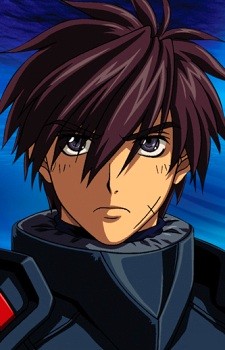
Sousuke Sagara
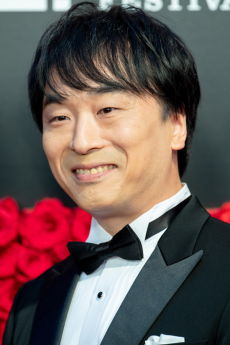
Tomokazu Seki

Kaname Chidori

Satsuki Yukino
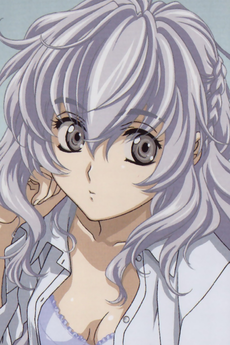
Teletha Testarossa

Yukana
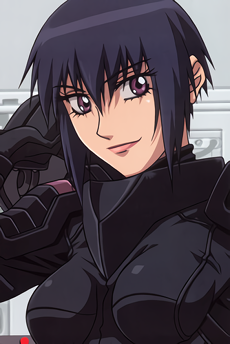
Melissa Mao

Michiko Neya
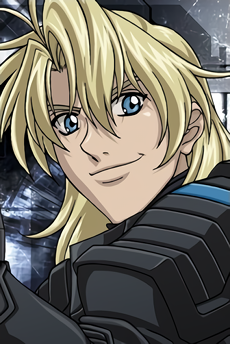
Kurz Weber
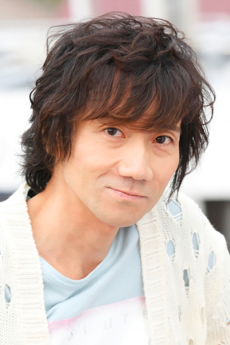
Shinichirou Miki
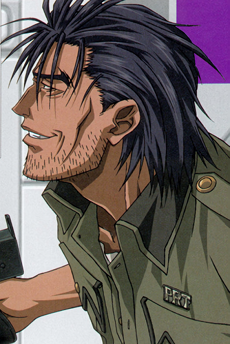
Gauron
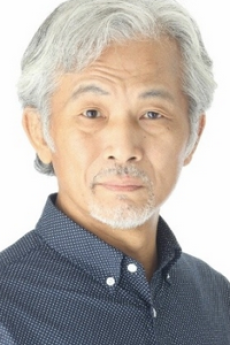
Masahiko Tanaka
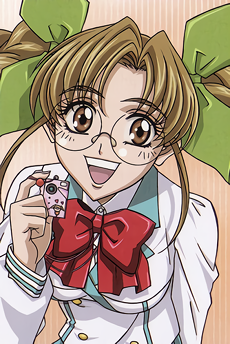
Kyouko Tokiwa

Ikue Kimura
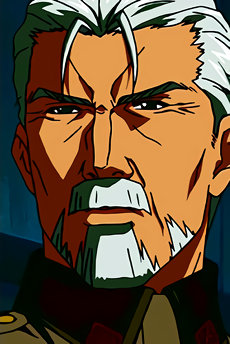
Andrei Kalinin
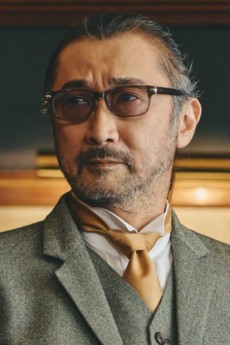
Akio Ootsuka
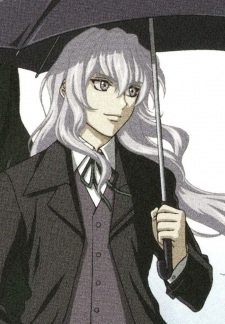
Leonard Testarossa
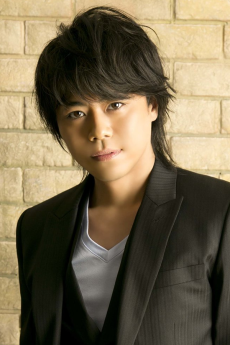
Daisuke Namikawa
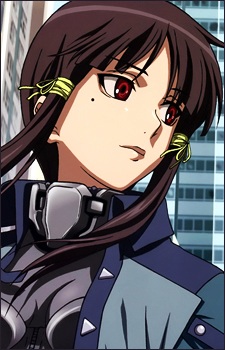
Yu Fan Xia

Emi Shinohara
AL
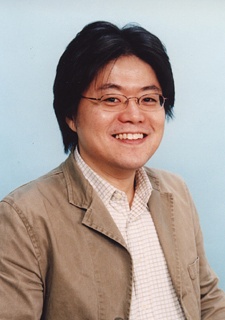
Takehiro Murozono
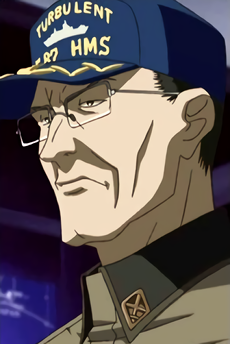
Richard Mardukas
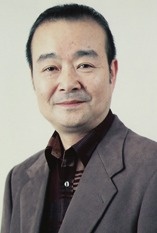
Tomomichi Nishimura
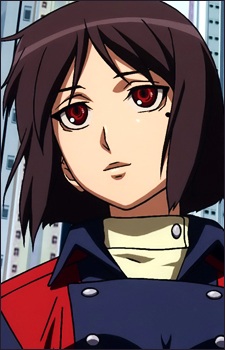
Yu Lan Xia

Miyuki Sawashiro
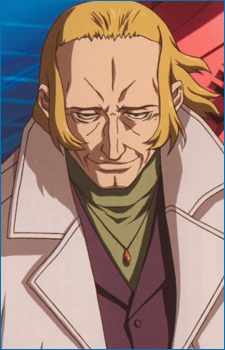
Gates
Houchuu Ootsuka
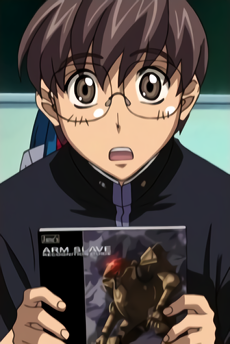
Shinji Kazama

Mamiko Noto
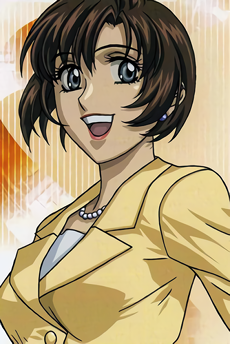
Eri Kagurazaka

Rio Natsuki
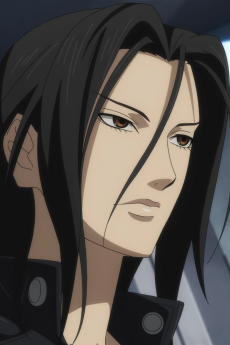
Wraith

Sayaka Oohara
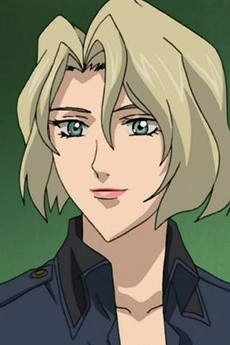
Nora Lemming

Yuriko Yamaguchi
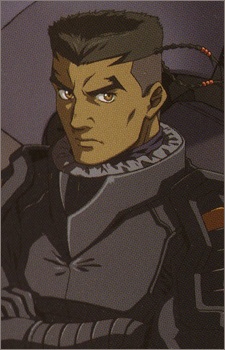
Belfangan Clouseau
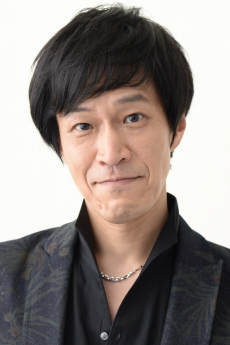
Rikiya Koyama

Mayer Amit
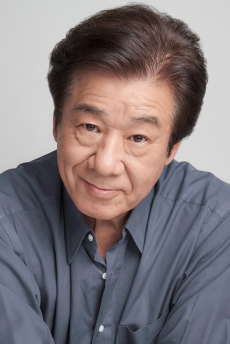
Takayuki Sugou
Doumae

Shiho Kawaragi
Spec
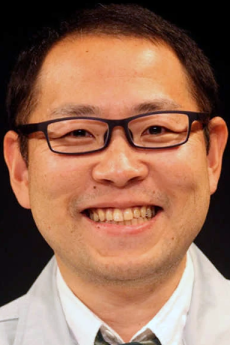
Hajime Iijima
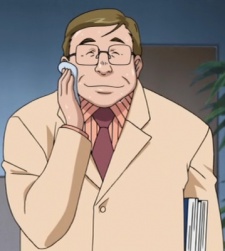
Gavin Hunter
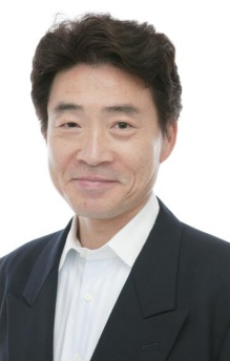
Bin Shimada
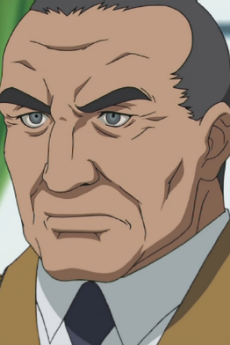
Jerome Borda
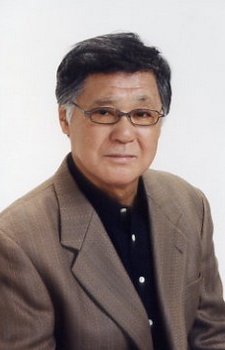
Kazuhiko Kishino
Castello
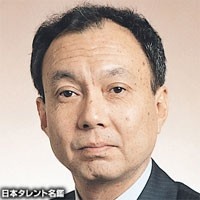
Kazuaki Itou
EPISODES
Dubbed
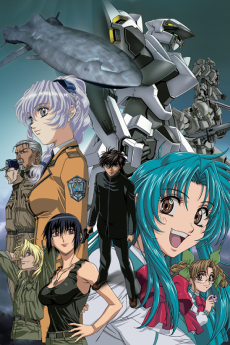
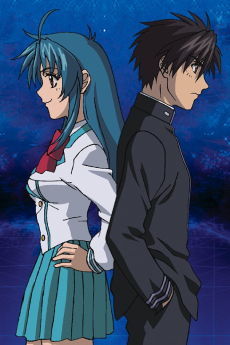
RELATED TO FULL METAL PANIC! THE SECOND RAID

REVIEWS

YuiHirasawa39
Still suffering - but this time we get real character development, meaningful themes, and even some redemption.Continue on AniListMAJOR SPOILERS BELOW
Full Metal Panic! The Second Raid is the third installment in the anime adaptation of Gatoh’s original series, with the first a lackluster Gonzo plot tracker, the second a raunchy but hilarious episodic comedy by Kyoani, and now the third, plot-based again but this time with the excellent art and music I’ve come to expect from Kyoto Animation. Three things need to be said before getting started: firstly, there does exist the fourth installment (FMP The Invisible Victory), released in 2018 by Xebec, but as I haven’t seen it, it won’t enter this discussion. Secondly, I’m writing this review after that of Fumoffu and before that of the first series, so expect some revision in the future. Finally, in the interest of saving space this review will actually forego my general approach to review writing (music, art, characters, and plot) for the first release – there’s a lot to say about this anime, and those additions will need to come in a later revision of this review.
If you’ve read my Fumoffu review it will be obvious that I have a love-hate relationship with this series. I’m not a big fan of many of the characters, as I find them either too irritating, too flat, or too stereotypical to be interesting. I’m hopelessly annoyed by the female MC, Chidori, for her endlessly archetypal tsundere tendencies. However, unlike some actually likeable tsunderes, Chidori has almost nothing actually redemptive about her in any of the first two series. She obviously is attracted to Sousuke (for good reason!) but values her normal life above everything else, almost to a ridiculous degree. She chooses to berate him rather than appreciate him, regardless of the number of times he saves her life, doing relatively little to accommodate his difficult shift from military to school life. Chidori refuses to accept that her unique power is accompanied with a stringent duty to protect herself and those around her, constantly accusing the very person who works tirelessly to keep her safe. I’m similarly frustrated with the villain of the series, Gauron, whose character exists solely in vague evilness and a refusal to die. Even midway through the very first series, it’s painfully obvious that Gauron lacks the depth that would really bring a level of intrigue to the story. He is your unkillable, power-hungry antagonist of so many archtypical fantasies. The other antagonists of The Second Raid are portrayed more as insane, senseless, controlled, but Gauron’s sheer two-dimensionality make him an unlikable but ultimately boring character.
On the other hand, you’ll also remember that I absolutely love the series’ MC, Sousuke. Mercenary from his childhood, Sousuke simply does not understand the concepts of failure, unloyalty, and disregard for duty. While Chidori remains amicable with Sousuke merely due to being attracted to him, Sousuke does not need such romantic connection to obsessively stand by her. His mission is enough, and he stops at nothing to uphold it. Why in the world would I appreciate such a seemingly flat, depth-less character? The answer is fairly simple – Sousuke is the opposite of the lackluster, wishy-washy, indecisive male protagonists seen in so many other KyoAni works and those from other studios. Sousuke has principles that he sticks to regardless of the cost, something that works out excellently for comedies such as Fumoffu but also surprisingly well in the seriousness of The Second Raid. Sousuke is the constant in a sea of variables, and is the face of good in a sea of mystery. He is the character you root for when all else seems hopless.
However, Sousuke alone isn’t enough to revive the series for me. The lackluster remaining characters, coupled with the excessive fanservice (this isn’t rated 18+ just for the violence) and lacking the sometimes-excellent humor of Fumoffu, would drive this show down to average or worse on my rating scale. The saving grace of The Second Raid comes in the intense and passionate character development that occurs in the MCs within the last few episodes, development that is almost completely missing in the first two installments. Let’s dive in.
As those who have watched the series recognize, the show doesn’t truly begin until episode 6, when Sousuke is ordered to cease duties as Chidori’s bodyguard. For the first time across the entire series, we see the faintest glimpse of a question in his head. Up until this point, his duty had always been his passion, but now, something within him sees a disconnect. But it’s quick and painless – stuffing those feelings aside, Sousuke recognizes that his duty has moved elsewhere. He packs up and departs immediately, just to be disparaged by his superior for his perceived, if even so slight, interest in protecting Chidori. The viewer sees the gears churn in Sousuke’s head. Why is it that his duty now seems to conflict with his morals? Why does he, someone who has killed so many others during his life as a mercenary, suddenly value the life of an individual who became his friend, how derogatory she may be? But duty is duty, and Sousuke pushes feelings to the side.
However, something similar is happening to his female counterpart. Chidori, outwardly gleeful that her one block to a normal life has vanished away, begins to feel some legitimate concern for his wellbeing. This concern first manifests in the typical tsundere romantic desire for a love now departed, but more quickly develops into something more tangible. She feels suddenly that she is being watched, surveyed from afar, and everything Sousuke stood for filters slowly back into her mind. In perhaps the first and only act of unselfishness that Chidori feels, she runs to his apartment just to find him gone, departed, vanished just how she desired. But rather than feeling relief, she feels fear, and finally arms herself as the Sousuke of the past so desired. Chidori – in the events that follow – is assaulted and left destitute, finally taking into her own hands the protection that she so disregarded in the past.
What, then, of Sousuke? The nagging feeling, of a loyalty that extends beyond duty, comes to a head in the poor teenager’s mind. The psychological horror of his failure – abandoning someone he cared about – pervades his psyche, leaving him to abandon his mission and walk, in a dazed confusion, through the streets of Hong Kong. It is only in the unlikely encounter with alcohol and a prostitute who looks oddly like his former charge, that Sousuke returns to his senses. But this time, something has changed. Sousuke realizes that while he can abandon his duty, his loyalty is absolute. He charges into Gauron’s stronghold, where the fabricated death of Chidori drives the solder into a inhuman frenzy. He returns to the battle, duty thrown to the wayside. Sousuke charges forward convicted by devotion alone, reuniting with Chidori and defeating the enemy – both physically and to his responsibility as a mercenary, demanding that his old bodyguard position be reinstated. Sousuke changes more in 7 episodes than he does in the entirety of the former series, and I can’t help but appreciate the sheer rawness through which it occurs.
So what else can I say? The Second Raid is an interesting series. The art is generally really good, the soundtrack (battle scenes included) is epic, and while the characters are generally frustrating and lackluster, the excellent character development in the MC cannot be disregarded. Yes, it is a mature series (and not exactly something I’d choose to watch for fun), and yes, it has its weak points, but I found myself appreciating Gatoh’s development much more in this installment than in the prior two. Sousuke alone is pretty much the reason why I’m (eventually) going to watch the fourth series, but I can’t help but admit that I have pretty high expectations following the end of this one.

MozillaMudkip
The Illusion of Progress Through Paper-thin Writing, Full Metal Panic Fails to be a Jack of All TradesContinue on AniListFull Metal Panic is an standout amongst the anime of the early 2000s which from what Ive seen at least, always seems to go somewhat under the radar in recent years. As a mecha/millitary/action show, Full Metal Panic saw popularity around the release of its first two seasons and spin off in 2002 and 2005 respectively but seemed to fade way from the popular consciousness in the way of more popular series that take on many of FMP's ideas. With the being said, FMP acted as something of a forerunner in its content; that being a series creating a mix of serious conflict and engaging drama like what is found in many scifi/action series supported with lighthearted feelgood moments, even occasionally comedic, more typical of slice of life. At least, on paper, that is the goal of FMP as a whole. Since Full Metal Panic aired, many series I enjoy, like Code Geass or The Fruit of Grisaia, successfully achieve this careful blends of genres. In an effort to expand my list and watching older series that have faded from popular view, I watched Full Metal Panic's first two seasons and spinoff expecting a comfortable and enjoyable blend of serious and lighthearted like these other series. Little did I know, I was fated to sit through 2 seasons of what could have been one of the most shocking failures to present any sort of satisfying story or character writing in the genre I have ever seen.
In this review, I will breakdown what I liked and disliked about Full Metal Panic and will try to illuminate what exactly I think accumulated into the mess that this series turned out to be in a portion free of spoilers. Ill then follow it up with a portion with spoilers to more specifically illustrate my grievances. Also please note that while I will talk about season 1 briefly, this review will be mostly focused on The Second Raid, Full Metal Panic's second season.

__
Summary __ Full Metal Panic tells the story of Sagara Sousuke, a 17 year old mech pilot who fights terrorism on behalf of a private military organization called Mithril. Having grown up on battlefields in active war zones, Sousuke is suddenly forced to adapt to life as an ordinary Japanese high school student after being assigned to guard Kaname Chidori, a seemingly ordinary girl whose subconscious secretly harbors a mysterious power that gives her an extremely in depth understanding of powerful military knowledge. While Sousuke tries to balance his two drastically different lives, various terrorist organizations attempt to capture Chidori in an attempt to uncover carefully guarded military secrets, namely being the Lambda driver; mysterious technology allowing mech pilots to unlock the full power of their mind's desire to fight.
What I Liked __ Truthfully, Season 1 of FMP left me with very mixed feelings of the series and season 2 only furthered my feelings of negativity of many of the series aspects. With that being said, I would be lying if I said there was not anything here I enjoyed. For a large portion of the series, Sousuke proved to be a consistently enjoyable main character who's struggle to balance his two lives proved to a very strong way to create the serious/lighthearted vibe FMP set out to achieve. Additionally, strong character writing can be seen in Tessa, Sousuke's commander from Mithril. While she doesn't appear as often as I would have liked her to, especially in season 2, she consistently has scenes that show her internal conflict of being the revered and stoic commander of Mithril's submarine Danaan while also wanting to provide support to Sousuke as a friend. In these moments, Tessa's character really played to the strength of some of FMP's serious moments. From a technical production standpoint, there were drastic improvements in the series between season 1 and 2. Originally made by Studio GONZO, a studio with a hit or miss reputation, season 2 was entrusted to Kyoto Animation which was at the time not yet well known. In watching The Second Raid and Fumoffu, the FMP spinoff, its pretty interesting to see that this is the very first series that Kyoani led on their own, especially with FMP's genre being pretty far from what anime fans typically tend to expect from the studio. With that being said, Kyoani's typical very well done high quality animation is on full display here, drastically improving improving upon GONZO's season 1 production in both hand drawn animation and CGI while being accompanied with admittedly not super memorable but very pleasant music, both for its OP and ED and for its OST.
A Messy Season 1 __ Season 1 of FMP very quickly shows very blatant flaws in quite a few areas. I think all things considered, the very way the idea of the serious/lighthearted approach was handled was extremely flawed in its balance. There were many serious moments that would be very jarringly forced into a more lighthearted light through very "anime-esque" means. Many of these serious moments rightfully so set the tone to be very somber and thought provoking. Sousuke being forced to make difficult decisions and dealing with the consequences only for Chidori to start smacking him back and forth with a Japanese paper fan like something out of a Looney Toons cartoon. It leaves very little room for the viewer to get anything out of it as usually, upon switching up like this, the show abandons the particular serious idea all together and just like that, it moves on. Additionally, I personally didn't really find any of the comedic elements very funny. Lot of the humor is crude and I didn't find it very thoughtful but humor is subjective I guess, so to each their own. In regards to the actual story of FMP, there is a plot but its so poorly explained its very hard to follow beyond just a surface level. The entire first half of the season feels like it tries to juggle 2 or 3 different plot lines and it leads to none of them feeling very well defined. The second half does become a bit more focused in on one plot line but it also starts to go off on strange little tangents that feel very out of place in context of the main story. The bigger issue for me though was the severe lack in any sort of meaningful character writing. The most blatant example is Chidori herself. Chidori has to be one of the most paper-thin static main characters I've seen in an anime in a very long time. Throughout season 1 she doesn't really show any growth or any sort of change at all. Chidori exists in this show to be the token tsundere love interest and really not much else. This issue compounds itself in multiple moments though when it becomes clear that there really isn't much thought at all put into how her power works or what exactly she is capable of. In moments where she uses her powers, it kinda just feels like she pulls out the perfect little thing that Sagara and company need to overcome whatever obstacle is in their path. They never really give any sort of explanation to how any of it works so you as the viewer is forced to just rationalize it as an "I guess that's how it works???" whenever it is brought up. Chidori doesnt understand herself how her powers work or even why she has them and the show makes little attempt to rationalize it. Its just shocking to me how this character is presented as being the person of paramount importance, central to the conflict and her character is so poorly defined, I can barely tell you anything about her after watching nearly 50 episodes in total of this series. Speaking of not being able to explain things, the villains of FMP are some of the most generic antagonists I have ever seen in an anime. The main villain Gauron (I had to look up his name because I literally already forgot) is the classic "Hey! Im evil!" antagonist that don't have any sort of motivation beyond being evil and wanting to kill people. All of the other antagonistic characters are just nameless, faceless goons who don't have any importance at all and just exist for Sousuke to kill. In terms of production, I already pointed out a few things indirectly. Studio GONZO was in charge of season 1 and the animation is pretty poor. The animation quality not very sharp at all and the 3D CGI asset were extremely jarring, looking like assets pulled straight out of a Playstation 1 game. I know computer tech wasnt nearly as good as it is now in 2002 but even amongst other series Ive seen that aired around the same time, FMP looks particularly bad. Another little odd thing was that the coloring and lighting was very noticeably weird. I found it most obvious with Chidori's hair, presented as a blueish-turquoise color, which would turn what I can only describe as a sickly green color any scene where she was outside. Little details like that kept popping out to me which was very odd to me as this is something hasn't ever really stood out to me before in any other series Ive seen. Finally, in regards to FMP being mecha, I personally found it to be more military than mecha but I digress, the mech design was extremely boring and generic. There wasn't really much imagination put into the design work, making FMP's mechs look like generic Walmart brand versions to the premium, memorable designs we see in other popular mecha anime like Code Geass. Ive gone on and on about things I didn't like about FMP season 1, be it the poorly defined mechanics of the world, the very lazy character writing or lack of it. All in all, put simply, it all ties back in someway to this season's failure to handle the mixture of genre it wanted to incorporate. This series tries to "wear many different hats" across its run time but in trying to do so, it stretches itself out so thin that it just doesn't really do any portion of it justice. It feels very half baked and devoid of substance that it consistently had me asking for more of literally anything, only to always not getting anything in whatever would happen in the next episode. __A Disastrous Season 2 __ Immediately upon starting season 2, the shift in the way the series is being handled becomes immediately obvious. Right away, the show take a much more pointed and gritty approach with far more emphasis on the serious aspects of season 1. The action is noticeably better and the general direction does the series so much more justice. As season 2 progresses, while lighthearted school portions with Chidori still show up for time to time, there is far more emphasis on the more impactful content that pulled the weight in season 2. Truthfully, I thought season 2 actually had a pretty strong start compared to season 1. At least, that's what I thought until I was forced to face the fact that many of the critical issues from season 1 were practically shelved and were once again about to rear its ugly head yet again with a vengeance. Yet again, the new antagonist of this arc has no substance at all. Yet again, none of the actual way any thing works in this world is explained. Yet again, it goes off on little tangents that give off the illusion that its doing something but its only taking away from the main conflict in reality. Yet again, Chidori is just there existing off in her own little tsundere world not doing anything of any substance. It was truly infuriating to see after a first few episodes that felt so promising.

The Season 2 Crashout (Spoilers) __ I want to take a minute to acknowledge the nearly constant pure absurdity that was season 2. Like I said earlier, I enjoyed how the first 6 or 7 episodes of season 2 was handled for the most part. It was quite a big shift from the absence of any progress that came along with season 1 but there were still some things here in season 2 that made me upset. First off, the new antagonist characters. We have trigger-happy goofball (I cant be bothered to look up his name) and his two stone faced twin servants. Goofball was somehow an even worse version of Gauron from Season 1, where instead of having the paper-thin reasoning of being evil for evil's sake, this dude is purely just a deluded weirdo who is wiling to just randomly kill his own guys in absurd ways just because he wants to. I found him to be extremely off putting, not in a way that would be typical to good antagonists, but in a "this guy is a clown" sort of way. Additionally, the twins who he commands have almost no writing at all. I think we're kinda supposed to feel bad for them because it becomes known that they were only cooperating with goofball out of necessity but they're not given any sort of backstory until the final to last episode AFTER one of them is killed by the real enemy (maybe???). I couldn't find myself to care about them even slightly and I felt like just about every scene with these two and goofball were a complete waste of screen time. The big problems come out in the second half of the season. The story hits a big peak when Sousuke receives orders from command to remove himself from his guard duties with Chidori and return to the submarine for his next operation. This comes after the immediate concern of the person tasked with taking over from him not really obviously doing their job, as this person had apparently also been watching over her over the last 6 months and had done absolutely nothing to protect her in any of the events up to this point. More importantly, this also comes after the gradual shift in Sousuke's feelings against his life as a soldier had really become prevalent. Being raised on the battlefield, he was always forced to act as a soldier and for the first time in his life, he has been able to enjoy a (somewhat) peaceful life with Chidori. Now that he is forced to leave, I thought for sure that this would be the moment where we would see Sousuke go against orders and opt to protect Chidori against the incoming threat that was already starting to make itself known. Instead, nope! While hes sad about it, he doesn't really put up any resistance and returns to the sub, effectively abandoning Chidori and falling back on his old ways. Now, is this fine? Somewhat. I get that Sousuke has lived his entire life up to this point following orders and I didn't expect him to completely throw that away immediately, but what I didn't expect was the complete absence of any backbone what so ever from Sousuke in every single episode from that point on up until the final episode. It suddenly made him a complete burden on the series as he absent mindlessly wandered about like an empty husk while his comrades were forced to do all the heaving lifting offscreen. Then there's Chidori. Like I said, I never really cared for Chidori in season 1 and in season 2's first half, while she doesn't really grow as a character at all, she also plays less of an active role on screen which I was ok with. This was true at least up until the second half where she gets her own episode. The way I understood it, the intention behind this was to allow Chidori to have her own time to grow as a character independently in Sousuke's absence which on paper isn't a bad idea but because Chidori hadn't ever really had any reason to support herself with any real character writing, always being able to riff off Sousuke and whatever absurd antics hes up to, she just did not have the means to support this episode. I thought this episode was atrocious. It features Chidori anxiously wandering around the city trying to hide from her stalker, checking into a love hotel with some random dude all to ditch her clothes in exchange for a robe then jumping around from rooftop to rooftop in the neon filled rainy city. It was unbelievably edgy and incomprehensible. Eventually, she finds her stalker, which is the person tasked with "guarding" her replacing Sousuke. I don't really know or understand who this person is but the show didn't really give me any reason to care. Right after, one of the goofball's twins, who had gone rogue at this point turns up, shoots Chidori's guardian and then chases her across the rooftops. Keep in mind Chidori is just a regular 16 year old girl, somewhat athletic admittedly, and she somehow outmaneuvers this women who is essentially a trained assassin who has aim with her gun so comically terrible it would give a stormtrooper a run for their money. This conflict is almost laughably absurd until the show somehow manages to completely uproot this entire sequence with something completely out of left field. Its at this climax of the fight when suddenly, Tessa's brother (cant be bothered to look up his name), another Whispered only brought up once or twice up to this point, shows up with two combat androids. He kills the assassin and then starts spouting complete drivel about his evil plans, and how Sousuke isn't a good guy and how he is more just than Sousuke. Before he leaves, he casually drops the "Btw, I love you" before disappearing never to even have another speaking role for the rest of the season. Why was this character handled in such an atrocious way??? I have no idea. The person who had the potential groundwork to be an actually interesting villain as the mysterious sibling of one of the series most strong characters who was only spoken in whispers up until now was handled in a way that threw any hope in making him a compelling character out the window. Thankfully, this is where this episode ended and none of what happened in this episode is relevant again so what a good use of 20 mins. The climactic final fight was painfully tedious to watch. Sousuke upon entering the fight decided that he just cant and he decides to leave and just wander around Hong Kong like a complete NPC. There's this whole scene where he finds this prostitute who looks just like Chidori and he just vents to her for 10 minutes which had to have been one of the most eye-rollingly stupid scenes they could have possibly included for this stage of the series. After this point, he wanders into a park where he tries to drown his sorrows in liquor (what???) only to discover a cryptic riddle on a discarded newspaper that seems to be targeting him. This then takes Sousuke on a wild goose chase around the city in pursuit of who ever he thought was targeting him in this riddle, resulting in him arriving in a derelict building. When they reveal Gauron was there waiting from him and that this ENTIRE plot had the goal of getting Sousuke to come to this one specific building using this ridiculous chain of coincidences, I genuinely had to pause the episode and compose myself. This had to have been one of the worst plot lines I have EVER seen in an anime without exaggerating. They're telling me this entire scheme of releasing the rogue mech in the city, having goofball's terrorist group increase political tensions in China leading to Mithril's intervention, putting this cryptic riddle all over the city's newspapers all leading to Sousuke arriving at this one random building to confront Gauron who should have died in his self destructing mech in the ocean last season who was spared via fantasy magic and plot armor was all a masterfully orchestrated scheme? That is complete lunacy. What was the point of any of this? Any of the political conflict of the series up to this point? The massive military operations to these war zones in China? The capture of the Mithril traitor who had been a part of the hinted at corrupt intelligence branch of Mithril? Tessa's mysterious brother, shockingly aligned with the bad guys appearing out of nowhere? Nothing. That's it. No purpose. All of this progress lead to the only thing this series had to begin with. Gauron wanting to see Sousuke suffer. This show never had any intention to make any sort of progress. It just set up the the illusion that it was going to improve on the groundwork setup by season 1's poor writing and opted to just pull a reason out of the season 1 playbook to wrap it all up with a pretty little bow in a way they thought was convenient. What a sorry excuse for writing and what a sorry excuse for any sort of deeper thematic reasoning that would make this season worth watching. The final episode ends with Sousuke deciding to turn on his protagonist powers. After killing Gauron (for the 3rd time), Sousuke sees that Chidori was alive (the show never really have any reason for him to believe she was dead besides Gauron saying so). How she got to Hong Kong, I have no idea, it all happened off screen. Tessa drops in Sousuke's mech and he unleashes the Lambda Driver to save his new squad leader (who I was maybe supposed to care about but didn't) and to one punch vaporize goofball and his mech like something out of One Punch Man using his magic robot powers. And just like that, everything is fine and dandy. Sousuke gets off his desertion of orders with a slap of the wrist and a pay cut and is allowed to watch over Chidori again. The fact that command he told him stop guarding her was kinda just glossed over so I guess he is allowed to again? Sousuke is free to resume his regular life at Chidori's side. Truly an overly idealistic ending all too willing to gloss over and be blind to all of the consequences of what happened before it. Kinda just like the entire series up to this point. Kinda ironic... __The Aftermath (In Conclusion) __ _TL;DR - Full Metal Panic is a classic mecha action show of the early 2000s which attempted to pioneer the blend of serious and lighthearted genres made even more popular in series to come later. Over its first two seasons, Full Metal Panic has a massive glow up in terms of production, moving away from studio GONZO's functional but unimpressive animation to showcase one of Kyoto Animation's first ever company lead project in season 2, containing many hallmarks of what fans come to expect in a KyoAni production. With the occasional good character moment from main characters Sousuke and Tessa, Full Metal Panic stumbles through its all around poorly written first season and makes a vein attempt to make a more thoughtful and well written season 2. What starts off as a seemingly more sound and enjoyable season with far better thematic and character rich story writing ends in complete disaster as the series falls back on just about every sin made in season 1 in a hackneyed attempt to resolve character and plot conflicts into a satisfying ending. Full Metal Panic almost completely fails to embrace its Jack of All Trade genre mix and proves just why this series has faded into a certain degree of obscurity. If you haven't seen Full Metal Panic, there just isn't really anything here that makes it work watching over other series that take on this same concept and manage to deliver a far superior result. For people who watched this series back in the era in which it aired, I encourage you to keep on looking at Full Metal Panic with rose tinted glasses and not revisit it as I fear you will be sorely disappointed. With that being said, in an odd way, one of the only ways I can justify this series is to appreciate the roll it took in paving the way for other series like it that far exceed it. At least we get something out of this series in the long run as we surely wern't getting anything out of the series itself._
IsNotAChar
A strong follow up on the first seasonContinue on AniListQuick reccomendation
If you liked season 1, you should watch this and will probably like it (it is a bit better imo). Hypothetically you could skip fumoffu and go straight to this, but I would not recommend it.Full review
I won't discuss anything that I already went over in my reviews for the previous seasons. Basically, the core elements of the show haven't substantially changed so I'll just be discussing anything new in this season.
If you're more interested in the action and/or comedy than the story then you may be disappointed. It's a little more light on action than season 1 and has less comedic scenes/episodes as well. The story does take centre stage.
Wit the story, the core emotional beats of this season do somewhat rely on how much you are engaged with Sousuke and Kaname's relationship, or at least with Sousuke as a character. If you don't care for either the relationship or Sousuke the season's story will probably fall flat. Kaname also gets a lot of focus, but I'd still say that Sousuke's arc is much more central to this season.
Fortunately I do like Sousuke and Fumoffu did a good job selling me on their relationship. Has I gone straight from season 1 to second raid I probably would've been a lot less engaged (partly why I recommend watching Fumoffu before this).
Characters I have something to say about
Gates is the Gauron replacement for the season and he's kinda just an inferior copy of Gauron with bad hair. They're both "crazy" mercenary types working for some nebulous organisation who also pilot the exact same AS. I find that Gates went a bit too far in being crazy to the point that he lost some menace/threat. He was still an entertaining antagonist, just not really that interesting.
He even ends up getting overshadowed by Gauron in this very season (despite Gauron having 1 scene). I said in my season 1 review that I would be disappointed if Gauron returned because I really liked his "death" in season 1. I still stand by that, I think he didn't need to come back.That said, what we get of Gauron in this season was ok. His involvment being some obsessive personal vengeance/admiration for Sousuke/Kashim that throws everyone else into chaos was good. Him basically rage baiting Sousuke into killing him by lying about having killed Kaname was another really fitting death for him.
The Yu sisters were there. They were intimidating enough to be a threat for the season while being mysterious enough to build some intrigue.
They're also a good "dark reflection" of what Sousuke could've been. Like Sousuke they were children taken in and raised by a mercenary/mercenaries who became deadly soldiers (also capable of using and equipped with the lambda driver). Unlike Sousuke they were never given the chance to experience a "normal" life and become more than just human shaped implements of war. So they die as just tools for Gauron's insane and personal rivalry/grudge/admiration of Sousuke.
Story and pacing
While I think the season's story as a whole is solid, I think it does get a little drawn out towards the end.
I think Sousuke's wandering of Hong Kong could've been cut down a little bit. For example, was the Kaname lookalike prostitute whole thing really necessary? That said, this isn't really a major complaint.
As previously stated, a large part of emotional core of this season depends on how much you care about Sousuke and Kaname's relationship.
Taking two characters in a relationship and forcefully tearing them away from each other is a fairly reliable way to generate some sort of emotional response and it works here too. I genuinely felt bad seeing them being separated and the episodes after showing both of them just not dealing well with it were well done.I find it interesting how both Sousuke and Kaname are really bad at openly dealing with their emotions and bottle them up a lot. Sousuke because he's a former/current child soldier who hasn't been able to really develop his emotions in a healthy way, and Kaname because she's a tsundere (who's also been convinced that there is an armed conspiracy out to get her and now her one protection from that conspiracy, and the only one who she could trust and discuss the situation with has just vanished).
The other large part of the story is Sousuke's conflicting identity. Is he a soldier just playing at being a student? or does he actually value and even desire this normal student life? Soldier or student, which is he? Can he just go back to being a soldier full time? Or is his new school life something he doesn't want to give up?
It's only when that decision is made for him and he is forcefully pulled back into being a soldier full time that he realises that this was not the path of life he wanted to be on anymore. It does take him a while to really work through this though before he reaches that realisation (a childhood as a soldier presumably not having trained him for serious introspection).
Overall, I thought it was a pretty good story and a natural progression on the developments of the previous season.
Conclusion
I quite liked Second Raid. That said it does have a bit of "middle season" feeling to it. While it resolves some emotional beats and character arcs, the wider story is clearly not concluded. As such, I will definitely be watching the next and currently final season (and possibly reading the manga/light novels after as not all are adapted...).
SIMILAR ANIMES YOU MAY LIKE
 ANIME Action86: Eighty Six Part 2
 ANIME Action86: Eighty Six
 ANIME ActionAldnoah.Zero
 ANIME ActionKidou Senshi Gundam 00
 OVA ActionBLUE SEED 2
 ANIME ActionAldnoah.Zero Part 2

SCORE
- (3.85/5)
TRAILER
MORE INFO
Ended inOctober 20, 2005
Main Studio Kyoto Animation
Favorited by 566 Users