
SOREDEMO AYUMU WA YOSETEKURU
STATUS
COMPLETE
VOLUMES
17
RELEASE
November 15, 2023
CHAPTERS
240
DESCRIPTION
Ayumu is in love with his senpai Yaotome, but he's sworn not to confess his feelings until he can beat her at the board game shogi… The problem is, his love is obvious to Yaotome, and she can't stop trying to trick him into breaking his vow!
(Source: Kodansha USA)
Notes:
- Includes 15 extra chapters.
- The manga is based on a series of comics the author previously released on Twitter.
- Ranked third place in the 2020 Tsugi ni Kuru Manga Awards comic category.
CAST

Urushi Yaotome
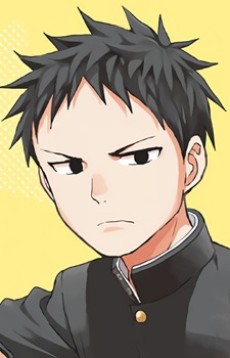
Ayumu Tanaka

Sakurako Mikage

Maki

Rin Kagawa
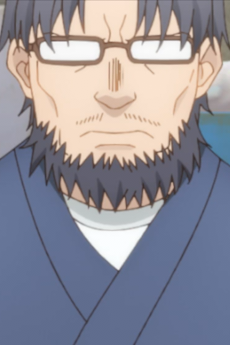
Urushi no Chichi

Takeru Kakuryuu
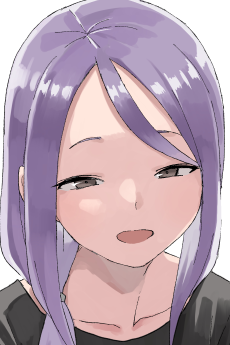
Urushi no Haha

Miku

Hinano
Urushi no Sofu
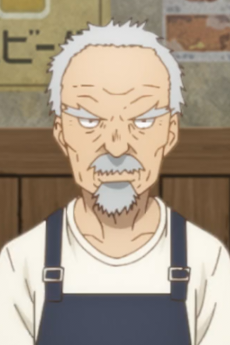
Tenchou
CHAPTERS
RELATED TO SOREDEMO AYUMU WA YOSETEKURU
REVIEWS

NapoJ
Entre chanza y broma (reseña en ESP y ENG)Continue on AniListLa siguiente reseña está en Español e Inglés (traducida con el apoyo de DeepL)
La versión leída es la traducción al Español por IlsonCoaquira del grupo "Ragnarok Valkyrie"
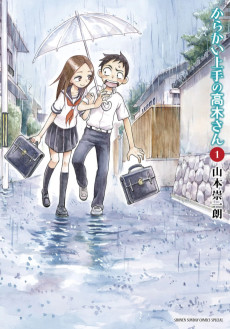
Si eres fanático de las comedias románticas escolares seguro te has topado con “Karakai Jouzu no Takagi-san” del autor Souichirou Yamamoto, su dinámica de “chica molestando chico” aún no siendo el primero de este “tropo” que se popularizo durante la década pasada, sí es el más representativo, demostrado en su exitosa adaptación con 3 temporadas y una película. De su misma mano llegaría la presente obra cuya dinámica responde al planteamiento de “¿Y si fuera… al contrario?”.
Aquí es el chico, Tanaka Ayumu quien provocará sonrojos a Yaotome Urushi, la chica. Eso sí, se distancia de Takagi porque no tiene de principal motivación a la broma y chanza, su principal motivación es confesarse con honor al superar en una partida en Shogi a su senpai, Urushi. Su nombre no carece de significado, y se señala durante la historia, es similar al nombre del peón en Shogi, una pieza carente de habilidades hasta que puede convertirse en una pieza más poderosa, una comparación exacta al camino elegido por Tanaka.
Y de esa manera queda estipulada la dinámica de la mayoría de sus capítulos, durante el enfrentamiento del shogi o en actividades escolares, Ayumu y Urushi pasarán el tiempo juntos, siempre existiendo un momento en que él dice algo con seriedad, desarmando emocionalmente a Urushi, quien inevitablemente no podrá realizar otra cosa sino sonrojarse, aunque de vez en cuando puede devolver esos golpes anímicos a Tanaka.

La dinámica se presenta pronto y directa, para que el lector decida si aceptar que en cuánto a desarrollo y evolución no verá mucho más que lo presentado. Tampoco carece de otros elementos adicionales para la construcción del escenario, ambos personajes tienen sus círculos sociales, otros intereses o situaciones familiares que construyen su personalidad. Una estructura que termina beneficiando al enfoque principal porque brinda más herramientas para plantear nuevas situaciones, malentendidos y observaciones con motivo de conseguir esa enternecedora vergüenza.
Y aún siendo avances leves, que podría haber sido reducido en una historia que sí puede calificarse de extensa y repetitiva en diferentes secciones, hay una evolución en la pareja principal. Se van despojando de excusas y doble sentido para ser más sinceros en sus sentimientos respecto al otro, en las acciones que quieren realizar para estar tiempo juntos fuera del horario escolar, presentando esas situaciones familiares del género.
A su vez la fatiga también se mitiga por la existencia de un grupo de amistad secundario, que de vez en cuando tiene algún que otro capítulo de protagonismo, habiendo otra pareja con una divertida dinámica la cuál no le habría venido mal tener unos capítulos más, las amigas de Urushi sobre todo la divertida Maki (quién también se divierte molestando a Yaotome) y sobre todo, Rin, quién consigue que varios de sus capítulos posteriores se conviertan en divertidas dinámicas a 3 bandas, complementando y antagonizando con ambos protagonistas según el momento.

También le beneficia tener capítulos cortos, no pasando de las 10 páginas, siendo situaciones dedicadas a un sólo gag en una situación particular. Evidentemente, de leerse seguido puede ser más repetitivo de lo que debería ser, de dedicarse un espacio más amplio de lectura, esas costuras son menos notables porque nos quedamos con el recuerdo del sonrojo o una broma particular. De igual manera aprendemos sobre Shogi, más tampoco quiero implicar sea especialmente educativo al respecto, son mencionadas técnicas e ideas, además de dinámicas varias que desconocía podían ser aplicadas sobre el juego.
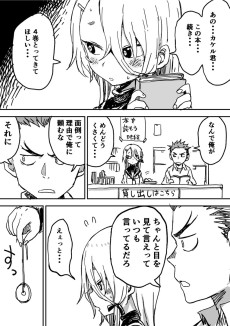
Dada la reducida duración de sus capítulos Souichirou le brinda mayor prioridad a la ilustración que a los planteamientos enmaquetados de sus paneles, se recuesta sobre las reacciones divertidas y ser el experimentado ilustrador que es, para captar la atención del lector y representar el núcleo del momento de la mejor manera posible.
Aunque el diseño es muy similar al de Takagi, la actitud logra diferenciar a Urushi. El resto de personajes, si bien consiguen distinguirse de esa obra afín, no llegan a ser especialmente memorables. Aun así, esto no desmerece ni rebaja el sobresaliente trabajo de Yamamoto en el diseño e ilustración de personajes.
Responder a la pregunta de revertir la dinámica “chica molestando chico” de la mano de Souichirou es un acierto. Tenemos otra visión romántica y tierna de ese amor puro escolar para los fanáticos del género, en divertidas bromas, situaciones, y sobre todo, esos enternecedores sonrojos del uno hacia el otro.

English
If you are a fan of school romantic comedies, you have surely come across Karakai Jouzu no Takagi-san by Souichirou Yamamoto. Its “girl teasing boy” dynamic—while not the first of this trope that became popular during the past decade—is certainly the most representative, as demonstrated by its successful adaptation with three seasons and a film. From the same author comes this present work, whose dynamic answers the question: “What if it were… the other way around?”
Here, it is the boy, Tanaka Ayumu, who causes Yaotome Urushi to blush. That said, it distances itself from Takagi-san because its main motivation is not teasing or playful banter. Ayumu’s primary goal is to confess honorably after defeating his senpai, Urushi, in a game of shogi. His name is not without meaning—something pointed out within the story—as it resembles the name of the pawn in shogi, a piece lacking special abilities until it can be promoted into something more powerful. An exact comparison to the path Tanaka chooses.
Thus, the dynamic of most chapters is established: during shogi matches or school activities, Ayumu and Urushi spend time together, and there is always a moment when he says something earnestly, emotionally disarming Urushi, who inevitably can do nothing but blush—though occasionally she can return those emotional blows to Tanaka.

The dynamic is presented early and directly, allowing the reader to decide whether to accept that, in terms of development and evolution, there will not be much beyond what is initially offered. However, the series does not lack additional elements for world-building. Both characters have social circles, other interests, and family situations that help shape their personalities. This structure ultimately benefits the central focus, as it provides more tools to create new situations, misunderstandings, and observations aimed at eliciting that endearing embarrassment.
Even though the progress may be slight—and perhaps could have been condensed in what can be considered a rather long and at times repetitive series—there is growth in the main couple. They gradually shed excuses and double meanings to become more honest about their feelings, as well as about the actions they wish to take to spend time together outside school hours, presenting those familiar genre situations.
Fatigue is also alleviated by the presence of a secondary friend group, which occasionally takes center stage. There is another couple with a fun dynamic that could have benefited from a few more chapters. Urushi’s friends—especially the playful Maki (who also enjoys teasing Yaotome), and particularly Rin—create entertaining three-way dynamics in later chapters, sometimes complementing and at other times antagonizing the protagonists depending on the moment.

The short chapter length—rarely exceeding ten pages—also works in its favor, as most revolve around a single gag in a specific situation. Naturally, reading them consecutively can make the repetition more noticeable. When spaced out over time, those seams are less evident, and what lingers is the memory of a blush or a particular joke. Along the way, we also learn a bit about shogi—though I would not claim it is especially educational. Techniques and ideas are mentioned, as well as certain gameplay dynamics I was unaware could be applied.
Given the brevity of the chapters, Souichirou places greater emphasis on illustration than on elaborate panel compositions. He leans on expressive, humorous reactions and his experience as an illustrator to capture the reader’s attention and represent the emotional core of each moment as effectively as possible.
Although the character design is very similar to that of Takagi-san, Urushi’s personality manages to distinguish her. The rest of the cast, while different enough from that related work, are not particularly memorable. Even so, this does not diminish Yamamoto’s outstanding work in character design and illustration.
Answering the question of reversing the “girl teasing boy” dynamic under Souichirou’s hand proves to be a success. We are given another romantic and tender perspective on that pure school love for fans of the genre—filled with playful jokes, charming situations, and above all, those heartwarming blushes shared between the two.

SIMILAR MANGAS YOU MAY LIKE
 MANGA DramaMiageru to Kimi wa
 MANGA RomanceKyoudai Gokko
 MANGA ComedyUzaki-chan wa Asobitai!
 MANGA Drama3-gatsu no Lion
 MANGA ComedyDoujima-kun wa Doujinai

SCORE
- (3.7/5)
TRAILER
MORE INFO
Ended inNovember 15, 2023
Favorited by 593 Users